
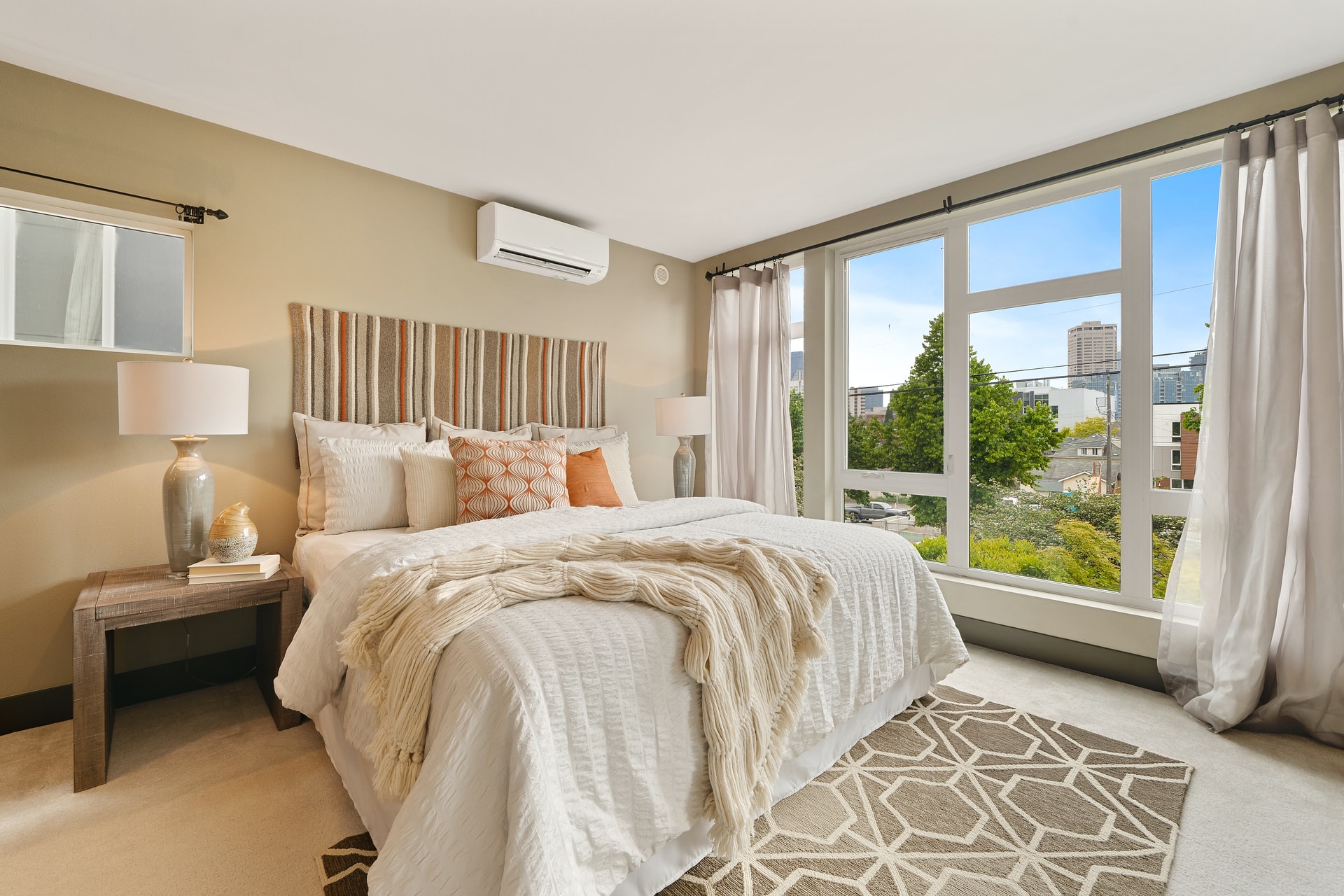
A bedroom should be a place of a personal getaway, a sanctuary, that expresses your favourite colours, collections, and feelings. Here are a few points to remember while decorating a bedroom.
- Choose a subtle colour:
Rather than using bold primary colours, select soothing shades and restful palette of unicolour tones. Keep in mind colour therapy: gentle blue, green or lavender are regarded as calm and serene. The rich jewel-toned colours help in setting a cosy and comfortable mood. These might include deep pomegranate, topaz, or toasty browns. Make use of toned-down versions of your favourite colours in the bedroom. This may mean selecting a mauve instead of pumpkin or eggplants rather than a tangerine.
- Do not oversee the ceiling:
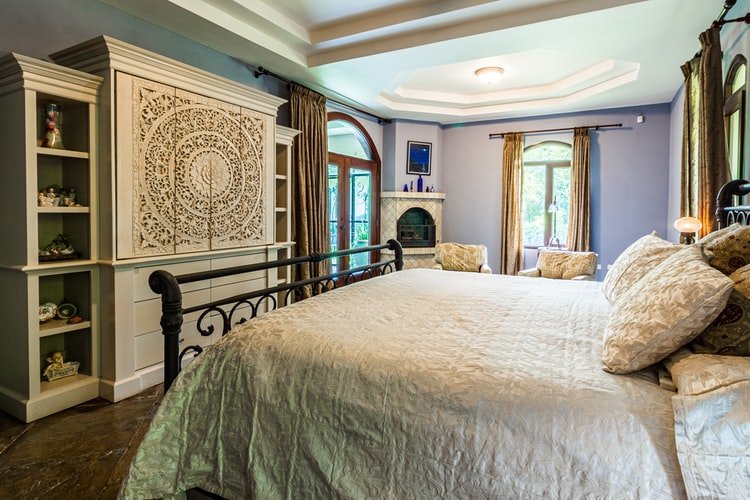
The ceiling is often called the fifth wall, yet it’s frequently overlooked. When lying in bed, a blank ceiling can feel cold and uninspiring. Adding a soft colour or subtle pattern, ideally a lighter shade of the wall colour, helps visually lower the ceiling and creates a sense of comfort and intimacy.
You can enhance the ceiling with wallpaper, stenciling, decorative paint finishes, mouldings, or beams. For a touch of luxury, consider silver-leaf ceilings, a canopy or tented bed, or a moulded medallion with a crystal chandelier. These elements add texture, warmth, and elegance, transforming the ceiling into a true design feature.
- Keep the bedroom as simple as possible:
The ceiling is often called the fifth wall, yet it’s frequently overlooked. When lying in bed, a blank ceiling can feel cold and uninspiring. Adding a soft colour or subtle pattern, ideally a lighter shade of the wall colour, helps visually lower the ceiling and creates a sense of comfort and intimacy.
You can enhance the ceiling with wallpaper, stenciling, decorative paint finishes, mouldings, or beams. For a touch of luxury, consider silver-leaf ceilings, a canopy or tented bed, or a moulded medallion with a crystal chandelier. These elements add texture, warmth, and elegance, transforming the ceiling into a true design feature.
- Select the right size of furniture:
When you are ready to purchase bedroom furniture, begin with a floor plan and a measured drawing of space. Make sure the furniture fits the room. Never choose a large and heavy dresser and bed if you have a small bedroom. If you have a high ceiling, a tall headboard will easily bring it down to the size. If you have a large bedroom choose a piece of furniture that fits it. At the end of the bed, you can add a chair or any furniture, but make sure the furniture is not too small or it will look lost in such a big area.
Keep these things in mind to decorate your bedroom beautifully.
Here’s a refined, expanded, and natural-sounding version of your bedroom décor post. It improves clarity, flow, and readability while keeping the content human-written and plagiarism-free
A bedroom should always feel simple, cozy, elegant, and sophisticated—no matter which decorating style you choose. Since the bedroom is meant for rest and relaxation, thoughtful planning and minimalism go a long way in creating a calm and comfortable space.
To allow for easy movement, try to leave about three feet of space between the bed and the side walls. For lower furniture pieces such as dressers or bedside tables, leave around two feet of clearance. If you need to walk around the bed to move between the closet and the bathroom, consider repositioning the bed to improve flow and functionality.
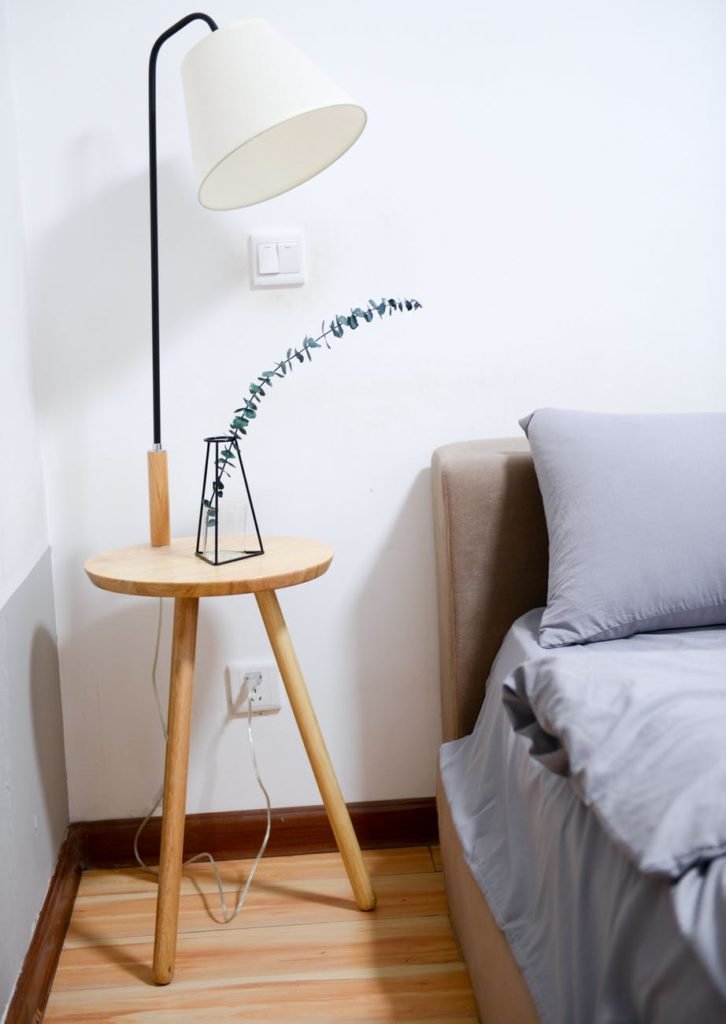
Always remember to furnish your bedroom only with what you truly need. Essential pieces typically include a bed, a bedside table, a dresser, and perhaps a chair. Anything beyond these can make the room feel cluttered and unnecessary. If storage is a concern and space allows, placing a chest of drawers inside the closet is a smart way to keep the bedroom looking neat and open.
When it comes to accessories, less is more. Keep décor minimal and meaningful. Choose one or two statement pieces such as a beautiful artwork, a few candles, fresh flowers, or a small collection of family photos to add personality without overwhelming the space.
Select the right size of furniture
Choosing the right furniture size is key to achieving a balanced and visually pleasing bedroom. Before purchasing anything, start with a simple floor plan and take accurate measurements of the room. This ensures that each piece fits comfortably without crowding the space.
Avoid large, heavy beds or oversized dressers in small bedrooms, as they can make the room feel cramped. On the other hand, if your bedroom has high ceilings, a tall headboard can help bring visual balance and make the space feel more proportionate.
For larger bedrooms, select furniture pieces that suit the scale of the room. You can place a chair, bench, or accent furniture at the foot of the bed to fill the space nicely. Just be careful not to choose pieces that are too small, as they may look out of place in a larger area.
Keeping these simple yet effective tips in mind will help you create a bedroom that is not only beautiful but also functional, comfortable, and perfectly suited to your lifestyle.